Condos for rent & sale · BTS Bang Na
Bang Na condos, checked before you see them.
Real units at The Coast Bangkok, Ideo O2, Ideo Mobi Sukhumvit Eastgate, Ideo Mobi Sukhumvit Eastpoint and Regent Home Bangna, with real photos and a fair-price check against each building's typical rent. We help in Thai or English, from first viewing to move-in.
Not sure which building? Tell us what you need and we'll find it →
- Units visited in person
- No fee for renters
- Help in English & Thai
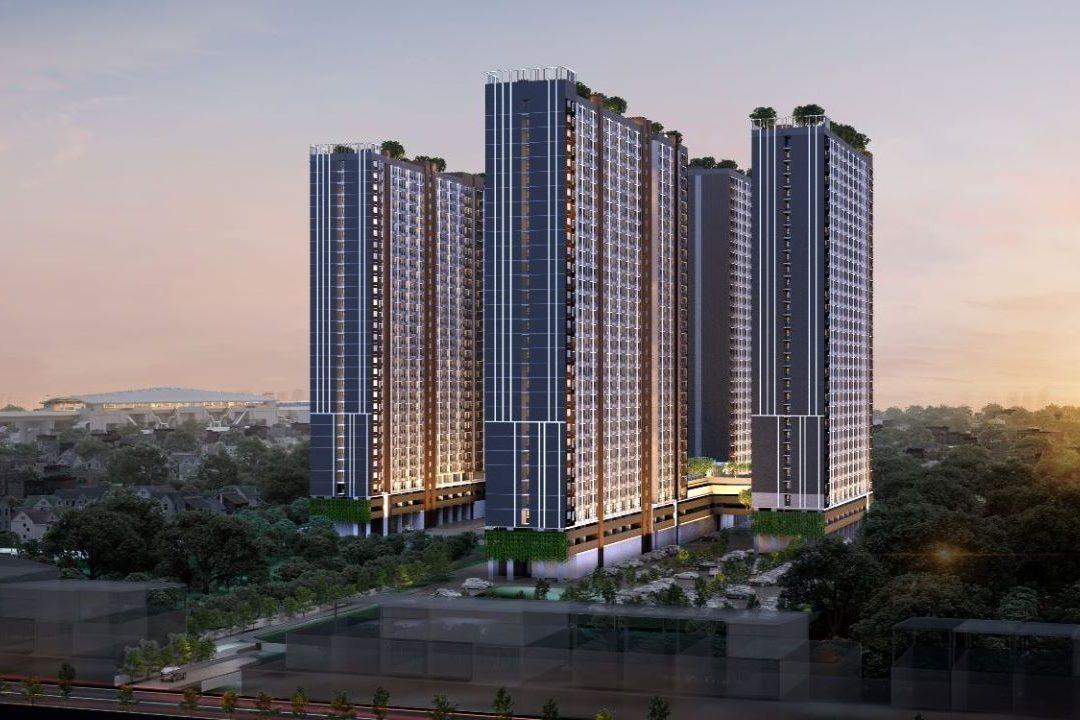 Featured building
Available now
Real units with real photos and full details.
-
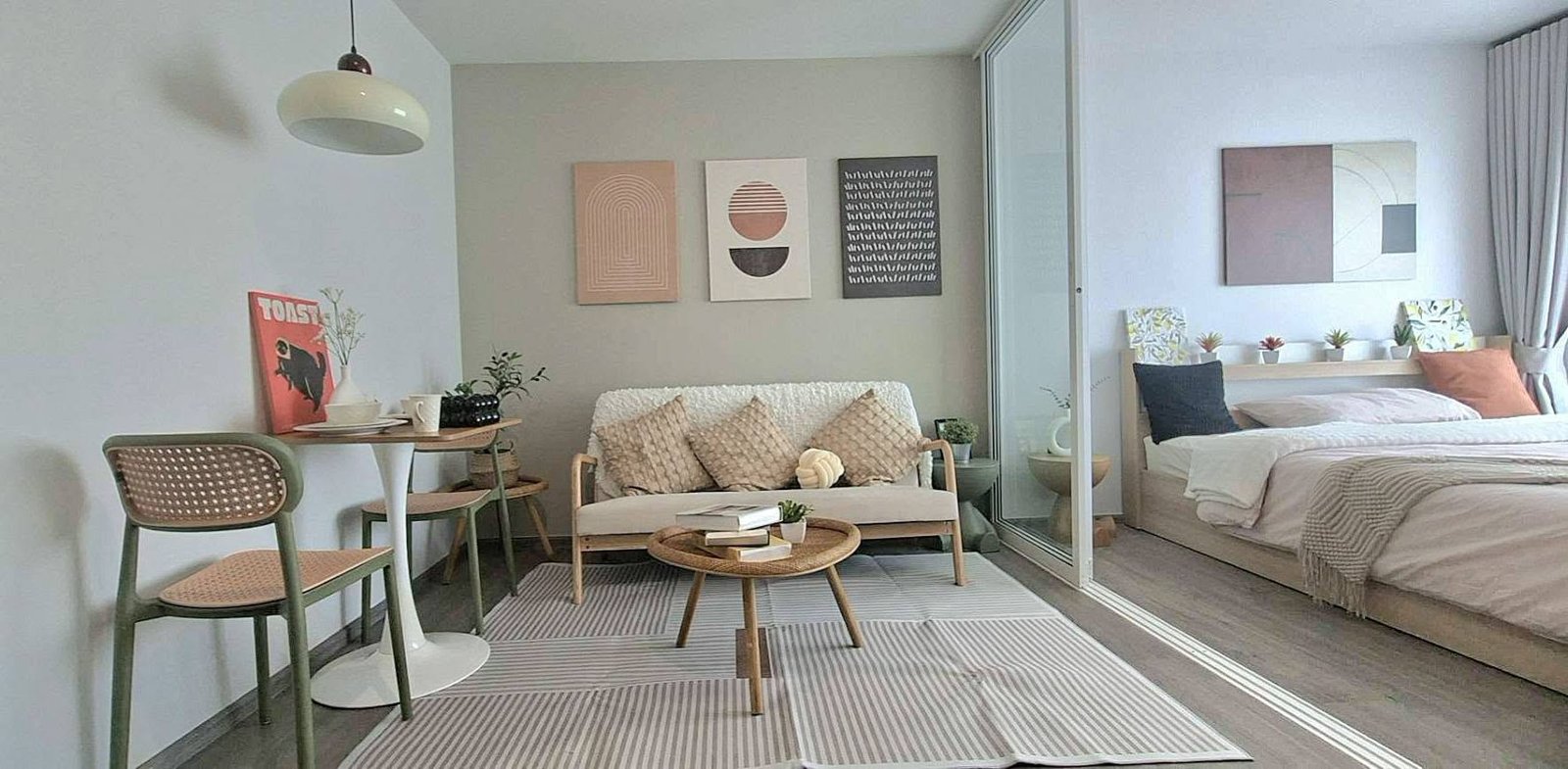 ฿11,500 / month
1-bedroom, 28 sq m · Fully furnished
Regent Home Bangna · Floors 21–30
BTSBang Na
-
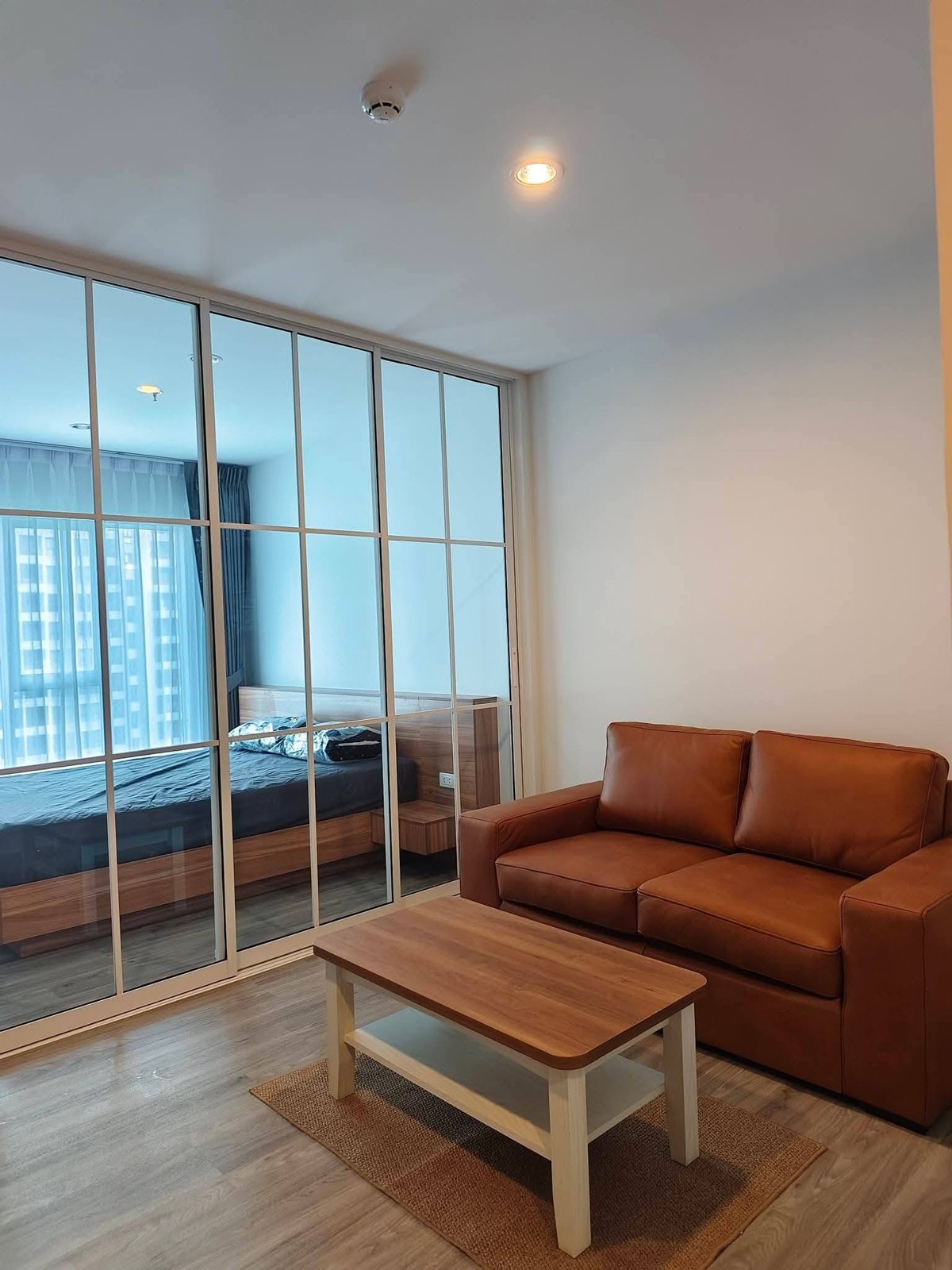 ฿9,500 / monthFair price
1-bedroom, 28 sq m · Fully furnished
Regent Home Bangna · Floors 11–20
BTSBang Na
“Fair price” means the rent is at or below the building's typical asking rent for that unit type.
Inside Regent Home Bangna
About 0.7 km (10 minutes' walk) to BTS Bang Na, via a rear gate and canal-side path.

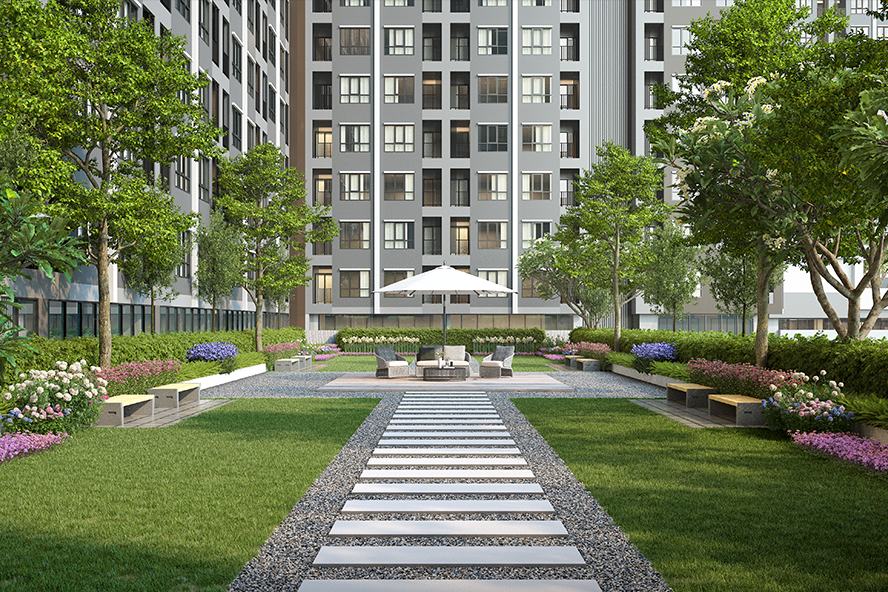
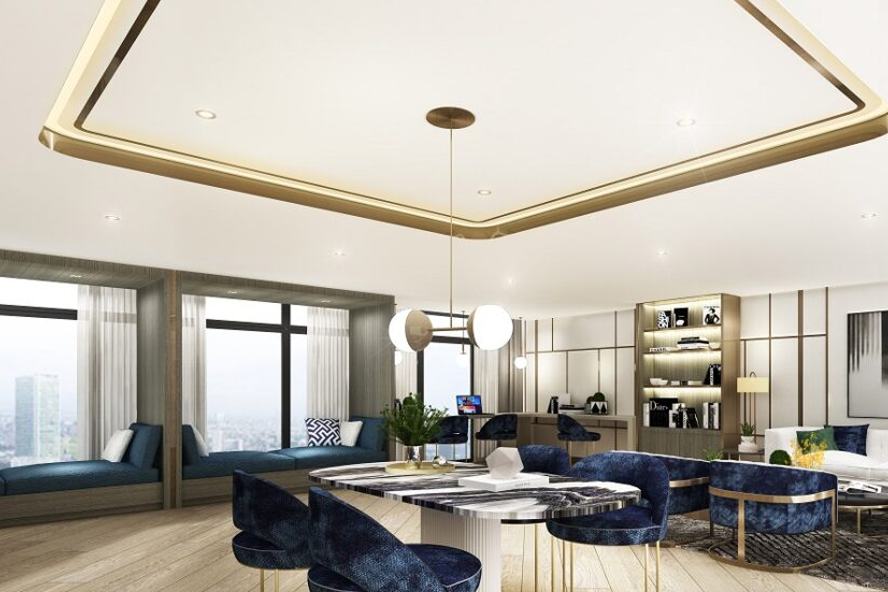
Images: Regent Green Power (artist's impression).
Why Bang Na
More space for the money than central Sukhumvit, still on the BTS line.
On the BTS Sukhumvit line
About 20–25 minutes to Asok without changing trains.
Next to BITEC
Central Bangna and Mega Bangna for shopping and groceries.
International schools
Bangkok Patana, St. Andrews, Berkeley and more in the area.
Toward Suvarnabhumi
On the airport side of the city via Bangna–Trad Road.
All five condos are around BTS Bang Na
Choose a building to see its details.
Which condo fits your budget
Building details →| Condo | Studio | 1 bedroom | 1-bedroom duplex | 2 bedrooms | 3 bedrooms |
|---|---|---|---|---|---|
| The Coast Bangkok | — | ฿13,000 | — | ฿28,000 | ฿60,000 |
| Ideo O2 | ฿12,000 | ฿14,500 | — | ฿24,000 | — |
| Ideo Mobi Sukhumvit Eastgate | ฿10,000 | ฿13,000 | — | — | — |
| Ideo Mobi Sukhumvit Eastpoint | ฿14,000 | ฿17,000 | ฿25,000 | ฿30,000 | — |
| Regent Home Bangna | — | ฿11,000 | — | — | — |
Typical asking rents for 12-month leases, from public listings in October 2026. Furnishing, floor and view move the price; ask us for units available now.
How renting with us works
Renting guide →Tell us what you need
Budget, bedrooms, move-in date and where you work or study. Send your requirements in a minute.
Get a shortlist
Available units across the five buildings, with photos and our notes.
View in person or by video
Still abroad? We walk you through the unit on a live video call.
Sign and move in
We go through the lease with you and record the unit's condition at move-in.
Own a unit in one of these buildings?
Listing is free. You pay one month's rent only when we find your tenant on a one-year lease.